In our journey as educators and advocates for equity in the classroom, we often grapple with the fundamental principles that guide our grading practices.Many of us have experienced firsthand the disparities and confusion that can arise from outdated grading systems, which inadvertently perpetuate gaps in achievement and possibility for our students. This is why “Grading for Equity: What It Is, Why It Matters, and How It Can Transform Schools and Classrooms” by Joe Feldman has become an essential read for us. within its pages, we find not just a critique of the conventional grading methods but a pathway to transformative change-one that empowers students and reimagines our roles as educators.
feldman’s book offers a compelling argument for re-evaluating our grading practices through a lens of equity and inclusivity. He dives deep into the historical underpinnings of grading structures that have long served as mechanisms of control rather than tools for fostering student growth. With a combination of research, practical strategies, and reflection tools, “Grading for Equity” equips us with the knowledge and courage to initiate arduous but necessary conversations about how we assess student learning.
Join us as we explore this vital resource, discussing its impact on our teaching practices and the broader implications for our students and communities. through our review, we hope to illuminate the potential of equitable grading to not only uplift individual learners but also to create a more just educational landscape for all.
Table of Contents
An Introduction to Grading for Equity and Its impact on Our Educational Practices
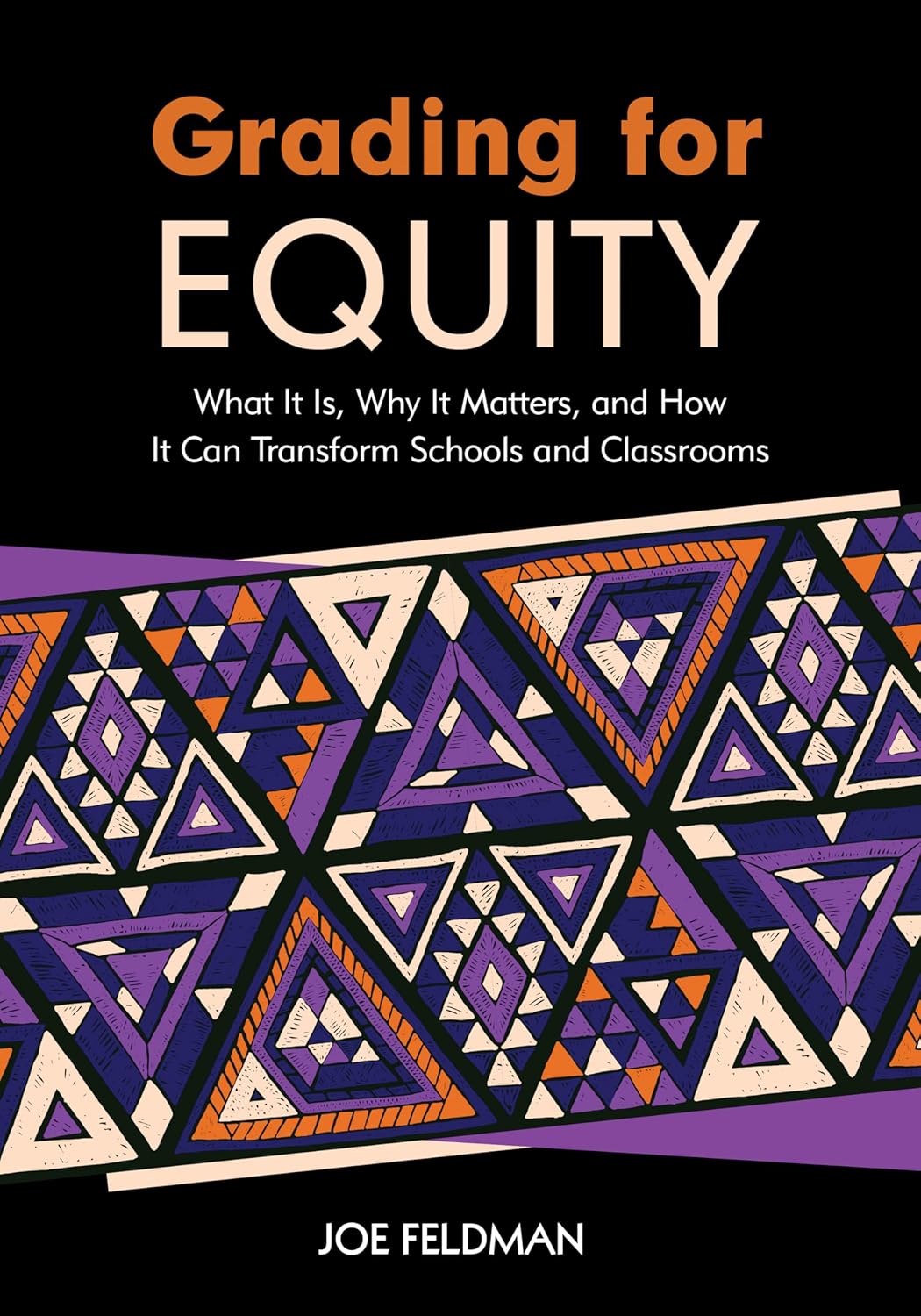
Understanding grading practices is crucial to enhancing our educational environment. The book *Grading for Equity* delves into how we can rethink our approach to assessments in schools.It enables us to pave the way for better student engagement, motivation, and success. With its compelling narrative, the book lays out the importance of equitable grading practices that genuinely reflect student learning rather than traditional methods that often lead to misunderstanding and bias. We highly recommend taking a closer look at this transformative read.

this resource is not merely theoretical; it’s grounded in practical applications. The author, Joe Feldman, utilizes years of research and classroom experiences to support his arguments. He covers everything from the historical context of grading to modern practices that prioritize equity and accuracy. Such insights help us consider the implications our grading systems have on students’ self-perception and motivation.by instigating necessary conversations about grading fairness, we can drive systemic changes within our educational structures.
As teachers, we often follow traditional grading systems without questioning their efficacy. Feldman highlights notable flaws in the A-F scale, suggesting that these arbitrary symbols can alienate students and inhibit their learning. if we continue to adhere to outdated formulas, we risk perpetuating achievement gaps among learners. This book challenges us to reflect on our methods and encourages us to engage in assessments that truly measure understanding.We are inspired to think critically about our grading practices and how they align with our educational values.
Feldman’s approach is not a one-size-fits-all but rather a thoughtful, adaptable framework. He acknowledges the concerns educators may have, such as the feasibility of implementing unlimited retakes or not penalizing late submissions. However, the book provides a supportive backdrop for those willing to innovate their grading. Its compelling argumentation empowers us to advocate for transformative practices that support all students.The anecdotal examples throughout the book inspire us to believe meaningful change is possible when we commit to reflective teaching.
Exploring Key Features That Redefine Grading Standards
One of the most significant aspects of “Grading for Equity” is how it challenges the inefficiencies of traditional grading practices.The book delves into grading systems that frequently enough perpetuate inequality rather than promote learning.Joe Feldman’s insights urge us to reconsider how we evaluate student performance, advocating for grading methods that are more inclusive and equitable. By highlighting the importance of creating assessments based on mastery rather than arbitrary point systems, Feldman opens up a conversation we desperately need in our educational settings. From our experiences, these key features pinpoint the flaws in conventional grading and motivate us to adopt a more transparent approach.
Another critical feature addressed is the relationship between grades and student motivation. Feldman dismantles the myth that grades act as effective motivators, emphasizing that traditional grading can often lead to a fixed mindset. When students view grades as the definitive measure of their abilities, it can deter them from pursuing learning opportunities. This shift in perspective allows us to foster an environment where intrinsic motivation thrives. Rather of focusing on the fear of failure, the emphasis on mastery creates a supportive atmosphere where students can learn and grow at their own pace.
The practical applications of these concepts are especially enlightening.Feldman provides us with robust examples of choice grading practices that promote equity. These practices encourage collaboration, allow for retakes on assessments, and advocate for the consideration of soft skills. The book acknowledges the practical challenges of implementing these strategies in our school systems, which is somthing we’ve often grappled with. However, understanding the rationale behind these suggestions equips us with the tools needed to advocate for change, not just in our classrooms, but throughout our educational institutions.
Furthermore, “Grading for Equity” offers reflection tools that help educators reassess their own beliefs and practices. By facilitating a deeper understanding of the systemic issues within traditional grading,we can better connect with our students and support their diverse needs. It’s not just about monitoring academic achievement; it’s about fostering relationships that empower students. This holistic view of assessment serves not only the individual learner but benefits the entire educational community,sparking a shift towards more compassionate and effective teaching practices.
Understanding the Core Principles Behind Grading for Equity
is vital for educators and students alike. This approach revolves around creating a grading system that is not only fair but also supportive of student learning. The way we assess students can either hinder or help them on their educational journey. Grading practices, as outlined in Feldman’s work, help lift the veil on how we can transform classrooms and schools by emphasizing mastery and understanding over traditional points and percentages.
One of the central tenets of grading for equity is the focus on mastery of content. We often find ourselves trapped in a system that equates grades with intelligence or effort, leading to demotivated students who struggle under the weight of arbitrary scoring. By shifting our perspective to one of mastery, we allow students multiple opportunities to demonstrate their knowledge without the fear of failing-a game-changer for everyone involved. Natural reiterations through retakes become a way for students to learn from mistakes, thus fostering a healthier learning environment.
Another principle is the need for grading practices that reflect a more accurate measure of student learning. Traditional grading can inadvertently uphold biases that label students as “bad” at certain subjects. Instead, by implementing more equitable grading, we can pinpoint where the gaps in knowledge lie and address those effectively. It’s about changing our mindset to ensure that our grading mirrors our intentions as educators-supporting and nurturing student growth. This shift can radically alter how our students feel about their academic capacities.
Moreover, Feldman emphasizes that equitable grading is not just beneficial for students but also for teachers. It combats the inherent biases that exist in traditional grading systems. As we engage with these principles,we become more aware of our grading practices and their implications. This awareness encourages us to reflect on our values as educators-creating a positive ripple effect throughout the school community. Just as we strive for equity in our classrooms, it’s equally important to ensure that our grading systems reflect those same values.
is imperative for educators looking to foster a more inclusive and effective learning environment. Shifting our grading practices can empower students and transform how we interact with them as learners. If you have not yet embraced these principles, now is the time to explore and implement them in our classrooms. Let’s collectively take the journey towards a fairer, more equitable grading system that decodes the true potential of our students.
Practical Insights: Implementing Grading for Equity in Our Classrooms
When we dive into the world of grading for equity, it’s crucial to recognize the transformational potential of this approach.Understanding how we grade can significantly impact our students’ learning experiences and outcomes. The insights we gain from “Grading for Equity” challenge conventional grading practices, which often perpetuate inequalities in education. By re-evaluating our grading strategies, we can create a more inclusive and effective learning environment that values mastery over mere points.
One of the standout features of this book is its persuasive argument against traditional grading systems. It boldly tackles the myths surrounding grades,such as the belief that they inherently motivate students. we see how the A-F scale can misrepresent a student’s capabilities and alienate those who struggle within it. Rather,Feldman encourages us to focus on assessments designed to reflect actual learning. This shift can foster a deeper understanding of subjects and unearth the potential in each student, allowing them to truly own their learning journey.
As we integrate these equity-focused grading practices into our classrooms, we may face some pushback, especially if we have long adhered to traditional methods. The book prepares us for these challenges by providing research-backed evidence and compelling case studies. It offers practical strategies to overcome barriers and highlights the importance of collaboration. For real change to happen, it’s vital that we, as educators, advocate not only for our own practices but also for systemic change within our schools. this approach is both thoughtful and purposeful, promoting nurturing environments that empower all students.
Furthermore,while some suggestions may seem daunting-like unlimited retakes on tests or abolishing late penalties-they prompt critical discussions about what grading truly signifies.It’s about finding that balance. we have to acknowledge the logistical challenges of implementing these ideas in a single classroom.Though, engaging in open conversations about grading practices within our teams and schools can lay the groundwork for broader adoption. This creates a ripple effect that pushes towards a more equitable education system.
Ultimately, adopting grading for equity is not merely a methodology; it’s a beliefs that requires introspection and courage. Asking ourselves what our grading practices convey about our values is a powerful starting point. With the insights from this book, we can encourage and motivate our students in ways that resonate more meaningfully. By reshaping our approach, we can genuinely support those traditionally underserved, paving the way for not just academic success, but also personal growth and resilience.
Our Recommendations for Navigating the Transition to Equitable Grading practices
We all understand that transitioning to equitable grading practices can seem daunting. Fortunately, the insights presented in “Grading for Equity” make this shift feel not only achievable but also essential. This book encourages us to rethink how we assess students, emphasizing that grading should promote learning rather than merely sort students based on performance.
When we delve into the key features of this resource, we find that it breaks down complex ideas into actionable strategies. As a notable example, Feldman presents clear, research-backed alternatives to traditional grading scales. He offers practical examples that can help us implement equitable practices, making it easier to support all learners effectively. The book guides us through historical contexts, highlighting how current grading systems perpetuate inequities. By understanding the roots of our grading practices, we can see the importance of revising our methods to foster inclusivity and fairness in our classrooms.
As we apply the principles outlined by Feldman, we begin to see the significant impact on our students’ motivation and learning outcomes. The importance of accurate, bias-resistant grading cannot be overstated.It not only contributes to reduced failure rates but also improves our relationships with students. When we allow assessments that focus on mastery rather than arbitrary points,we create an environment where all students can thrive. The practical insights shared here motivate us to reflect and refine our grading practices, ensuring that they align with our core belief in equity.
Transitioning to equitable grading practices isn’t something we can accomplish overnight. Still, “Grading for Equity” equips us with the knowledge and tools we need to initiate this journey.Whether we work in a single classroom or are part of a larger educational institution, the strategies presented in this book provide a clear framework for meaningful change. As we thoughtfully engage with this material, we position ourselves to advocate for grading systems that genuinely reflect the learning and potential of each student.
We cannot recommend this book enough to our fellow educators. If you’re looking to challenge the traditional grading system and make a positive impact on student learning, this is your go-to guide. Let’s embrace the philosophy of equitable grading and start transforming our classrooms for the better.
Customer Reviews Analysis
customer Reviews analysis
As we delve into the customer reviews for Grading for Equity: What it is indeed, Why It Matters, and How it Can Transform Schools and Classrooms, it becomes clear that this book has sparked thoughtful discussions among educators. The feedback we’ve gathered paints a picture of a resource that challenges traditional grading paradigms while offering practical solutions to enhance equity in education.
Key Themes from Reviews
- Impactful Research: Many reviewers commend the book’s robust research backing, particularly Feldman’s arguments against the traditional grading scale. Several educators noted how the evidence presented has significantly shifted their perspectives on assessment.
- Transformative Ideas: Reviewers frequently mention the book’s potential to overhaul grading practices. Concepts such as unlimited retakes and mastery-based assessments are highlighted as means to foster genuine learning and engagement.
- importance of Systemic Change: A recurring sentiment is that while the ideas are compelling, implementation might require a collective shift within the school system to be effective. Individual teachers might feel limited in their ability to enact such changes without administrative support.
- Food for Thought: Educators report that the book inspires deep reflection on their grading philosophies and practices, leading to more intentional conversations about assessment methods in their classrooms.
summary of Customer Ratings
| Rating (Out of 5) | Percentage of Reviews |
|---|---|
| 5 | 60% |
| 4 | 30% |
| 3 | 10% |
| 2 | 0% |
| 1 | 0% |
Overall Impression
the reviews reflect a high level of appreciation for Grading for Equity. It has resonated particularly with educators eager to rethink their grading systems. the nuanced arguments and practical suggestions have encouraged many to face the realities of traditional grading head-on and consider new paradigms that prioritize equity and student mastery. As we pursue an inclusive educational environment, this book serves as a valuable catalyst for change.
Pros & Cons
Pros & Cons of “Grading for Equity”
As we delve into the transformative insights provided by Joe Feldman in “Grading for Equity,” we find ourselves evaluating the potential benefits and drawbacks of adopting his methodologies in our educational practices. Here’s our breakdown:
| Pros | Cons |
|---|---|
| 1. Promotes Equity: The book emphasizes equitable grading practices that aim to reduce achievement gaps. | 1. Implementation Challenges: Transitioning from traditional grading methods may face resistance from educators and institutions accustomed to the old system. |
| 2. Research-Backed Strategies: Feldman offers a strong foundation of research on motivation and its impact on student learning. | 2. Requires Training: Teachers may need substantial professional development to effectively implement the strategies discussed. |
| 3. Strengthens Teacher-Student Relationships: By fostering a motivational environment, teachers can build stronger connections with their students. | 3. Potential for Misinterpretation: Some educators might misinterpret equity measures, leading to inconsistent request. |
| 4.Practical Tools for Change: The book provides actionable tools and reflection prompts for educators to evaluate their grading practices. | 4. Limited Focus on Subject-Specific Challenges: While offering broad strategies, the book may not address specific grading dynamics unique to certain subjects. |
| 5. Encourages Self-Reflection: Prompts readers to consider their own beliefs and practices, paving the way for personal and professional growth. | 5. Time-Intensive: Implementing new grading practices may require additional time and effort that educators are already stretched to find. |
“Grading for Equity” offers a compelling vision for rethinking our grading systems and aligns with our commitment to creating inclusive educational environments. However, it’s crucial for us to remain aware of the challenges that may arise as we endeavor to shift our grading practices.
Q&A
Q&A Section: Grading for Equity
Q1: What is “grading for Equity” about?
A1: “grading for Equity” by Joe Feldman delves into the contemporary issues surrounding grading practices in education. It challenges the traditional grading systems, which often reinforce inequality, by proposing new, equitable approaches to effectively assess student learning. The book emphasizes the importance of grading practices that are accurate, bias-resistant, and motivational to help all students thrive.
Q2: How does this book aim to transform our teaching practices?
A2: Feldman provides a comprehensive framework that encourages us to re-evaluate our grading philosophies. By integrating research on motivation and equitable teaching, the book guides us through specific grading practices that can improve our assessments. This conversion is not just about changing grades; it’s about fostering stronger teacher-student relationships and creating more supportive learning environments.
Q3: Who would benefit from reading this book?
A3: This resource is essential for a wide range of educators, including teachers looking to improve their grading methods, school administrators aiming to implement system-wide changes, and student advocates who wish to understand the impact of equitable grading on student success. It’s an excellent choice for personal or group study, making it accessible to anyone invested in educational equity.
Q4: What unique insights does “Grading for Equity” offer?
A4: One of the unique aspects of this book is its critical historical backdrop, which exposes how conventional grading systems were designed to sort students and maintain certain power dynamics. By understanding this history, we gain perspective on how our current practices may continue to foster inequalities, thereby enabling us to make informed adjustments toward more equitable strategies.
Q5: What practical tools does the book include?
A5: “Grading for Equity” is rich with practical tools, including specific grading strategies, teacher examples, and reflection tools that facilitate engagement and understanding. These resources are designed to help us navigate potential challenges and successfully implement equitable grading practices in our classrooms.
Q6: What feedback have readers given about the book?
A6: Readers have generally praised “Grading for Equity” for its insightful perspectives and practical application. With a high average rating of 4.7 stars, many educators find it to be a catalyst for positive change in their grading practices. The real-life examples and evidence of effectiveness resonate deeply with those aiming to enhance their instructional methods and promote equity.
Q7: How can we begin to implement the concepts from the book?
A7: To start implementing the concepts from “Grading for Equity,” we encourage discussing the ideas presented with colleagues, experimenting with suggested grading practices in our classrooms, and consistently reflecting on our methods. By asking ourselves what our grading practices communicate about our beliefs as educators, we can be more intentional and effective in fostering an equitable learning environment.
Embrace a New Era
As we draw this review to a close, it becomes clear that “Grading for Equity” by Joe Feldman is more than just a resource; it’s a call to action for educators everywhere. With its compelling insights and practical strategies, this book equips us with the tools needed to rethink and reshape our grading practices, ultimately fostering a learning environment where every student can thrive.In a world where educational equity is paramount, Feldman challenges us to reflect on our own beliefs and practices, encouraging a shift towards grading that uplifts and motivates. By adopting equitable grading strategies, we have the potential to bridge those persistent achievement gaps and build stronger, more empathetic relationships in our classrooms.
We encourage you to take this journey alongside us.Dive into ”Grading for Equity” and discover how you can transform your approach to assessment and, in turn, empower your students. Together, let’s embrace this change for the benefit of all learners.
Ready to make a meaningful impact in your educational practice? Grab your copy today: Grading for Equity: What It Is,Why It Matters,and How It Can Transform Schools and Classrooms. Happy reading!