Welcome to our cosmic review of “My First Book of planets: All About the Solar System for Kids,” a delightful introduction to the wonders of space designed specifically for our youngest explorers! As we embarked on this stellar journey together, we were eager to uncover the dazzling mysteries of the solar system through the eyes of our little ones.
From the moment we opened the pages of this vibrant book, we knew we were in for an adventure that would ignite the inventiveness of every budding astronomer aged 3 to 5. With its stunning illustrations and captivating facts, “My First Book of planets” invites children to learn not just about the eight major planets, but also about fascinating dwarf planets like Pluto and Ceres. Each page is a portal, boldly launching us into the cosmos, allowing our little ones to discover remarkable tidbits-did you know the gas in soda shares a connection with our neighbor Venus?
Join us as we delve deeper into this enchanting exploration of our solar system, highlighting the big, beautiful images and fun space facts that make learning about the universe an out-of-this-world experience. Let’s navigate the stars together and see why this book is a must-have for curious minds eager to understand the marvels of the universe!
Table of Contents
Exploring the Wonders of Our Solar System

Are you ready to embark on a thrilling adventure through the cosmos? With My First book of Planets: All About the Solar System for Kids, we dive into a colorful exploration of our solar system, tailored for curious little minds aged 3 to 5. This engaging book is the perfect gateway for young astronomers to discover the magic of planets, from the dazzling sun to the distant reaches of Neptune, and even the former planet, Pluto. Let’s check out why this book shines brightly in our collection.
The vibrant images and simple but thorough explanations make the learning experience truly special. Each page bursts with jaw-dropping pictures that transport us to the heart of outer space. Young readers can find fun facts like how Venus’s atmosphere is the same gas found in soda bubbles.We all know that kids love fascinating tidbits, and this book delivers them in abundance. It’s designed to ignite their curiosity and stimulate conversations about the solar system
As preschool teachers, we’ve found that this book not only provides fantastic visuals but also encourages children to explore the concepts of size, distance, and the unique features of every planet. From Mercury to the larger-than-life Jupiter, each planet is presented with accessible info that helps to make those astronomical facts exciting. Plus, with a section dedicated to drawing, it motivates children to express their creativity, making learning both enjoyable and interactive.
We can’t overlook the credibility of its author, Dr.Bruce Betts,a planetary scientist and children’s book author. His experience ensures the content is not only entertaining but also educationally sound. The structure and language are perfectly crafted for young learners, making complex ideas easy to grasp.It’s evident that this book has been crafted with love and expertise.
If you’re looking for a brilliant introduction to the wonders of our solar system, look no further. My First Book of Planets has everything needed to fuel a child’s passion for finding. So why not let your little ones explore the universe from the comfort of home? Grab your copy today!
Delving into the Features That Captivate Young Minds

When it comes to engaging young learners, ”My First Book of Planets” is our go-to for exploring the solar system. The vibrant illustrations and engaging text make it a treasure for curious minds aged 3 to 5. Each planet comes alive with clear, colorful imagery that captures their attention. We can almost see the twinkle in their eyes as they discover the vastness of space without needing a telescope. It’s such an adventure for them!
What we love most are the fun space facts sprinkled throughout the book. They talk about everything from how many moons orbit each planet to quirky tidbits like the bubbles in soda being similar to the gas on Venus. This book isn’t just about pretty pictures; it sparks curiosity and discussion. We find ourselves diving deeper into conversations about topics like gravity, orbits, and even the infamous dwarf planet Pluto.it’s a delightful journey that keeps both kids and adults engaged.
The layout of the book enhances the reading experience. With simple explanations and big, beautiful images, children can easily understand complex concepts. For instance,the comparison between Earth and Mercury gives them a tangible grasp of size and distance. It makes learning effortless and enjoyable. Plus, Dr. Bruce betts’s expertise shines through, ensuring that even the most challenging concepts are accessible. We appreciate how well the facts is presented!
Another aspect we find captivating is the book’s encouragement for creativity. The last few pages invite kids to draw their own planets. This feature not only reinforces what they’ve just learned but also allows them to express their newfound passion creatively.It’s rewarding to see their imaginations soar while grounded in educational content. This balance of fun and learning is precisely what we look for in books for our little ones.
All these fantastic features make “My First Book of Planets” a stellar choice for budding astronomers. It truly captivates young minds and inspires a love for learning about our universe. We wholeheartedly recommend it for any family looking to introduce their children to the wonders of space!
Engaging Illustrations and Fun Facts: A Closer Look

When we think about introducing our little ones to the wonders of the universe, nothing quite compares to the vivid illustrations found in My First Book of Planets: All About the solar System for Kids. The artwork is incredibly engaging; it pulls children in and encourages them to explore the pages more closely. The big, beautiful images allow kids to visualize each planet’s unique characteristics without needing a telescope. It’s like having a mini planetarium right in our living room! The contrast of luminous colors and captivating designs not only keeps them interested but also enhances their understanding of how diverse our solar system truly is. these illustrations serve as bridges, connecting concepts in a way that feels both fun and educational.
In addition to the stunning visuals, the book is packed with fun facts that spark curiosity. Did you know that Venus has the same gas as what makes bubbly soda? Facts like this make learning about planets not just informative but delightful. We’ve noticed that when kids encounter these fascinating tidbits, it opens up an avenue for discussions.It’s easy for them to ask questions or make connections to other things they’ve learned. Each page becomes a conversation starter about everything from the size of planets to the number of moons, and they can’t wait to share what they’ve found.As parents and educators,we appreciate how these intriguing nuggets of knowledge keep young minds engaged and eager to learn more.
There’s something about the combination of engaging illustrations and fun facts that makes this book resonate well with kids aged 3-5.As preschool teachers and parents alike, we see firsthand how it captivates their attention and inspires their imagination. Children who might normally steer clear of reading are suddenly engrossed, wanting to revisit their favorite pages filled with colorful planets and amazing facts. The vibrant imagery ignites a sense of adventure, allowing them to dream big and imagine what it might be like to travel to distant worlds. Each page turn is a new discovery, transforming what could be a simple reading session into a cosmic journey that sparks lasting interest in space exploration.
This book definitely stands out in the crowded landscape of children’s literature, becuase it fosters a natural curiosity about the cosmos. by blending attractive visuals and captivating information, it not only educates but also entertains. We’ve even found that the illustrations are ideal for encouraging children to draw their interpretations of the planets. After reading, we’ve noticed little artists eager to sketch their favorite celestial bodies, adding another layer of creativity to their learning experience. It’s truly remarkable to see such simple tools – like a colorful book – have such a profound influence on their imaginations and understanding of the universe.
Empowering Young Readers with Knowledge

When it comes to introducing young minds to the wonders of our solar system, My First Book of Planets: All About the Solar System for Kids truly shines. As we dive into the cosmos, we see how essential this book is in educating our little astronomers. The colorful illustrations captivate our children, encouraging them to explore the different planets, their features, and their amazing facts. Each page is an open door to the universe,sparking curiosity and inviting young learners to ask questions.
The layout of the book is particularly engaging. With big, beautiful images and simplified text, it feels like being on a cosmic adventure. It’s not just about reading; it’s about discovering. Kids can learn the unique traits of each planet, such as the swirling storms of Jupiter or the icy rings of Saturn, in a way that is both informative and exciting. These features help us foster their interest in space and science from a young age, laying the groundwork for a lifetime of learning.
Moreover, the book includes fun facts that truly enhance the reading experience. We love how it opens up avenues for discussion.As an example, finding out that the bubbles in our soda share the same gas as Venus is an intriguing connection that kids can easily grasp. It’s moments like these that fuel conversations at home or in the classroom, making lessons about the solar system fun and interactive.
this book does an excellent job of empowering our young readers with knowledge. It’s more than just a story; it’s a resource that strengthens their understanding of the universe. So, if you’re looking for a tool to spark interest in astronomy, this book is a perfect choice. It’s engaging, informative, and beautifully illustrated, making it a fantastic addition to any young reader’s collection.
Our Recommendations for Enhancing the Learning Experience
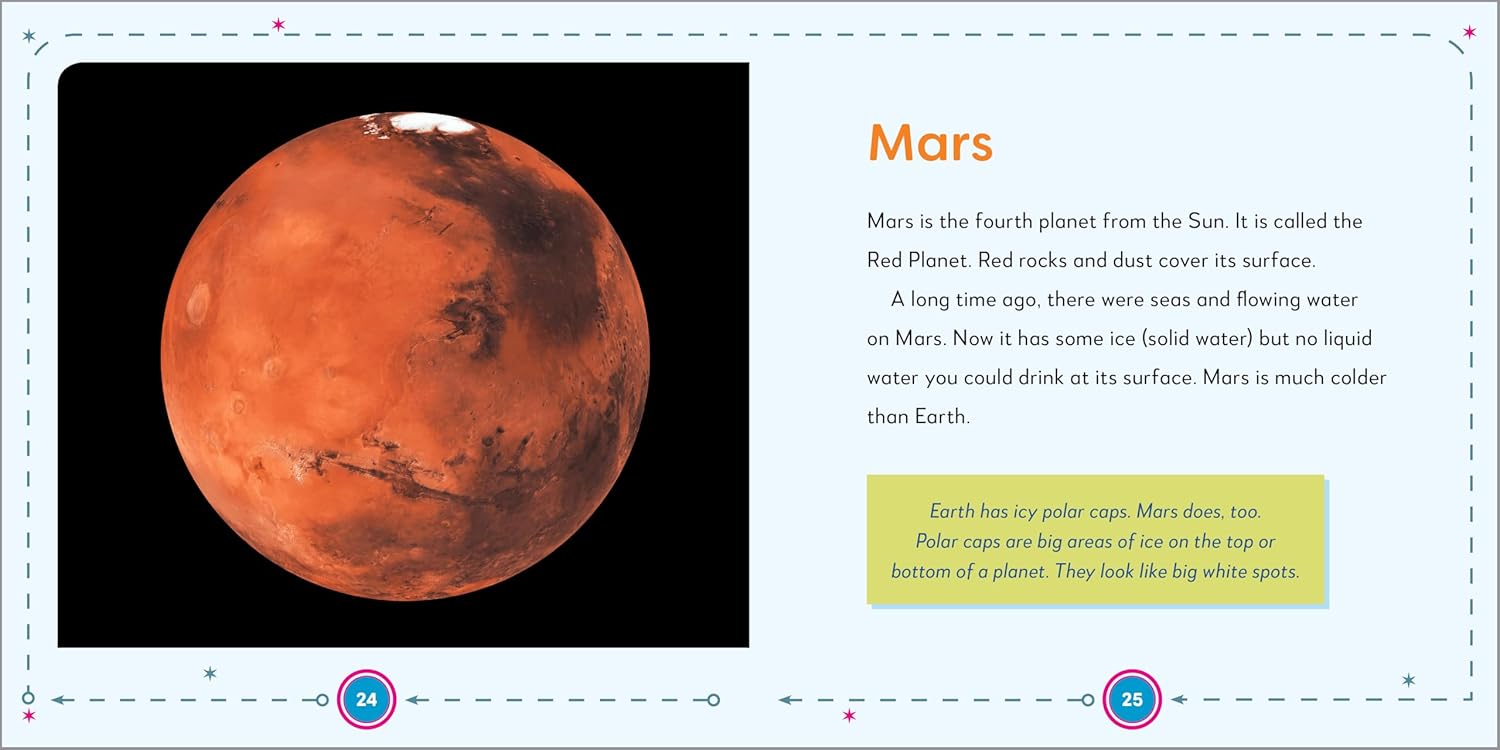
When it comes to igniting a child’s curiosity about the universe, “My First Book of Planets: All About the Solar System for Kids” is a wonderful resource. This colorful and engaging book is designed specifically for young learners aged 3-5 years. It provides a fantastic introduction to the solar system with vibrant illustrations that draw children into the wonders of outer space. We believe that incorporating this book into your child’s learning experience opens up new horizons in early education. The lively imagery and simple explanations make space explorations feel like an exciting adventure!
To further enhance the learning experience, we recommend pairing the book with hands-on activities. As an example, after reading about the planets, we can set up a model solar system with balls or craft materials that represent each planet. This tactile approach helps solidify the concepts of size and distance in a way that reading alone can’t. additionally, we can create a dedicated space in our home or classroom where children can engage in related activities, such as drawing their favorite planets from the book or even crafting their own “moon rover” using recycled materials. This hands-on engagement reinforces key concepts and makes learning more memorable.
For parents and educators looking to stretch their little astronomers’ imaginations, we suggest introducing fun facts from the book into everyday conversations. For example,while driving or playing outside,we can ask questions like,”Did you know that Jupiter has at least 79 moons?” This transforms simple moments into learning opportunities,keeping kids curious and engaged. Using the book as a conversation starter allows us to explore deeper questions, like what would it be like to live on different planets or how humans explore space.
Lastly, consider incorporating multimedia resources. Watching documentaries about space or visiting planetarium shows can provide a multi-faceted approach to understanding the solar system. Combining the insights from “My First Book of Planets” with these visual experiences can cement knowledge and inspire awe about the universe. Learning doesn’t have to be confined to pages-by integrating various media, we can make astronomy a vibrant part of our children’s world.
using “My First Book of Planets” as a foundation, we can create an enriching learning experience that nurtures inquisitiveness and creativity. The book is not just about learning facts, but about fostering a lifelong interest in science and exploration. Let’s take our children on this cosmic journey together!
Customer Reviews Analysis

Customer Reviews Analysis
We’ve gathered insights from customers who have purchased “my First Book of Planets: All About the Solar System for Kids.” The feedback is overwhelmingly positive, highlighting the book’s educational value and engaging illustrations. Below are some key themes we observed:
Engagement and Educational value
Many reviewers, especially educators and parents, have commended the book for its ability to engage young learners. The vivid pictures and informative content spark curiosity about the solar system:
“Who doesn’t want to learn about the planets!? The pictures of the planets are so well presented. There is so much to learn. This book sparks conversations.” – Preschool Teacher
Quality and Durability
Customers emphasized the quality of the book, with suggestions that the hardcover edition is the most durable option for repeated readings:
“I strongly recommend purchasing the hardbound book wich is the most durable for repeated readings.” – Satisfied Parent
Age Appropriateness
Reviewers noted that while the book is designed for children aged 3-5, its content may also capture the interest of older kids up to 7 years old:
“Though intended for kids 3-5 years old, I believe this book is suitable for children up to 7 years old.” – Educator
Interactive Learning
A unique aspect highlighted by several parents is the interactive element of the book where children are encouraged to draw their own planets at the end:
“This outstanding primer both educates children and prompts their imaginations.” – Enthusiastic Reader
Customer Ratings Overview
| Rating | Percentage of Reviews |
|---|---|
| 5 Stars | 70% |
| 4 Stars | 20% |
| 3 Stars | 5% |
| 2 Stars | 3% |
| 1 Star | 2% |
the feedback from customers showcases the book as an excellent resource for introducing children to astronomy. Its rich content and engaging visuals make it a must-have for parents and educators alike. Whether you’re a teacher in a classroom or a parent at home, this book has received rave reviews as an educational tool that fosters a love for learning about space.
Pros & Cons

Pros & Cons
In our journey to explore “My First Book of Planets: All About the Solar System for Kids,” we believe it’s essential to weigh the positives and the negatives. Here’s what we found:
| Pros | Cons |
|---|---|
| Vibrant imagery captivates young readers and makes learning engaging. | Limited to basic facts which may not satisfy advanced young learners. |
| Simple and clear language suitable for ages 3-5. | Covers only the main eight planets and five dwarf planets. |
| Includes fun, relatable facts that can spark curiosity. | Some parents may desire more depth or scientific accuracy. |
| Encourages early interest in astronomy and science. | Physical size of the book may be a bit small for older children. |
| Great for interactive reading experiences between parents and kids. | Not suited for autonomous reading by older children. |
Ultimately, “My first Book of Planets” can be a delightful addition to a child’s bookshelf, providing a solid foundation for their journey into the cosmos. However, it may not cater to the curiosity of every aspiring young astronomer, especially those looking to dive deeper into the mysteries of the universe.
Q&A

Q&A Section for “”
Q: What age group is “My First Book of Planets” suitable for?
A: “My First Book of Planets” is designed for children aged 3 to 5 years.It’s perfect for preschoolers and kindergarten kids who are just beginning to explore the wonders of our solar system!
Q: What kind of illustrations can we expect in the book?
A: The book is filled with big, beautiful images that are both vibrant and engaging. These illustrations are crafted to captivate young readers and spark their imagination, drawing them deeper into the mysteries of outer space.
Q: does the book include information about all the planets?
A: Yes, indeed! This book covers all eight planets in our solar system, as well as dwarf planets such as Ceres, Pluto, Eris, Haumea, and Makemake, making it a extensive introduction to our cosmic neighborhood.
Q: What interesting facts will children learn from this book?
A: Little astronomers will be delighted by fun space facts! For example, did you know that the bubbles in soda are made of the same gas that’s found on Venus? Each planet features unique facts that will intrigue young minds and make astronomy accessible and fun.
Q: How is the content structured for young readers?
A: The book is thoughtfully structured with engaging text and plenty of illustrations. Each planet is presented with easy-to-understand facts about its size, distance from the sun, surface details, and the number of moons it has, helping kids grasp concepts in a simple way.
Q: Is the book also educational for parents?
A: Absolutely! While it’s tailored for children, we believe parents will find the fascinating facts and tidbits enlightening as well. this makes it a great bonding experience as parents can share their newfound knowledge with their kids during storytime.
Q: Can this book be part of a larger educational series?
A: Yes, “My first Book of Planets” is part of a series called “My first Book Of.” We highly recommend exploring the other titles in the series for a broader educational experience. Collecting the whole box set could be a great addition to any child’s library!
Q: How does this book compare to other children’s astronomy books?
A: This book stands out due to its vibrant artwork, age-appropriate facts, and engaging storytelling. Praised for its educational value, it has earned high ratings and accolades in the children’s astronomy genre.
Q: Where can we purchase “My First Book of planets”?
A: You can easily find “My First Book of planets” on various online retailers such as Amazon and bookstore websites.It’s also worth checking local bookstores for availability.
We hope this Q&A section has answered some of your questions about ”My First Book of Planets.” We can’t wait for our little explorers to embark on their celestial adventures!
Seize the Opportunity
As we wrap up our journey through “My First Book of Planets,” we can’t help but feel excited about the adventures this vibrant astronomy book offers to our little explorers. With its stunning visuals and captivating facts, it serves as an excellent introductory guide for children aged 3-6 eager to expand their knowledge of the solar system. it’s more than just a book; it’s a powerful tool that stirs young imaginations and kindles a lifelong passion for the stars.
Whether your child is peering into the mysteries of distant worlds or delighting in fun space facts, this book holds the promise of discovery at every turn. We hope our review has inspired you to add this delightful book to your collection, allowing your little astronomers to embark on their own cosmic adventures right from the comfort of your home.
Ready to blast off into the cosmos? Don’t miss out on this fantastic journey – grab your copy of “My First Book of Planets” today!