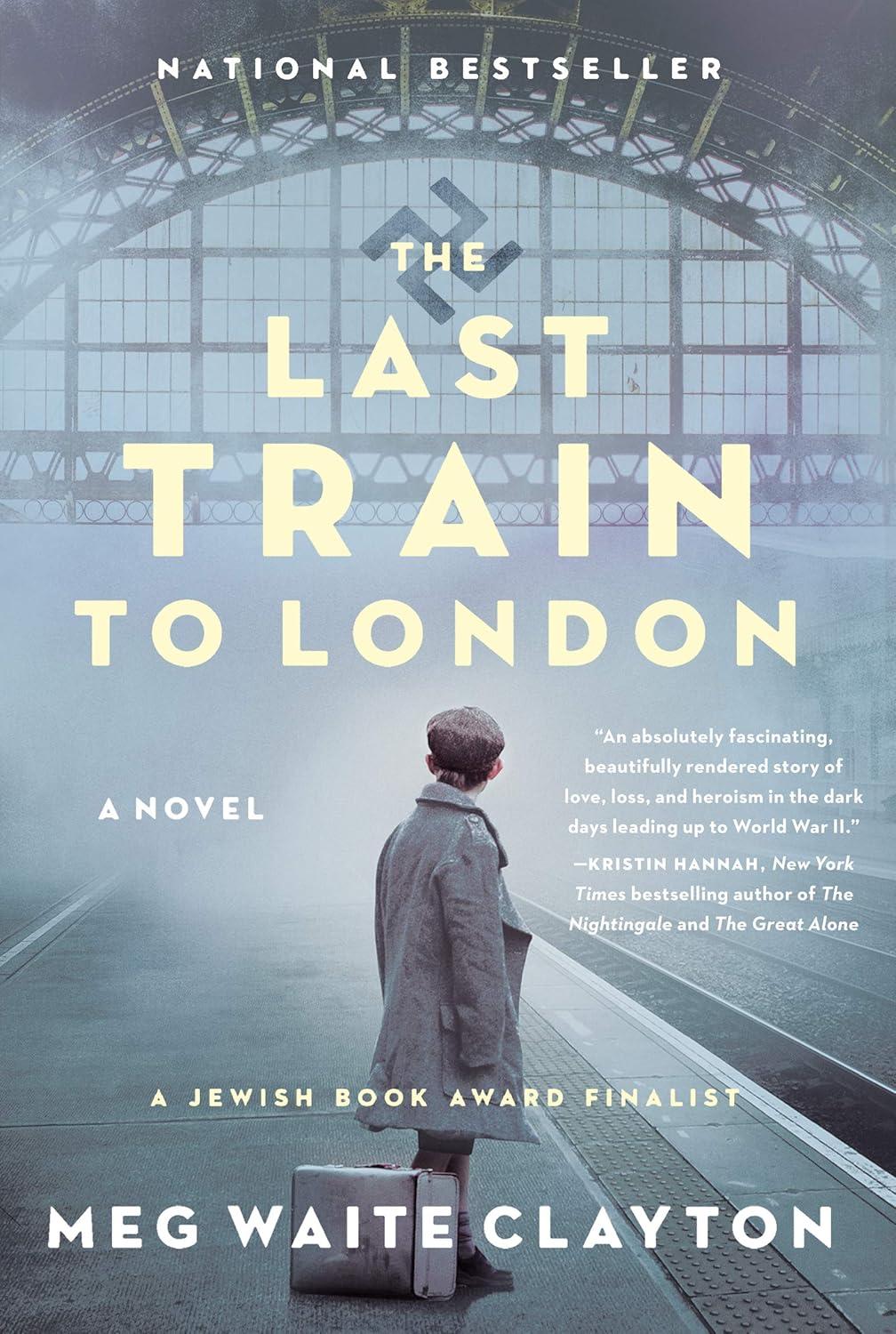
In a world where history often feels distant,The Last Train to London: A Novel pulls us directly into the heart of a gripping and emotional narrative that resonates powerfully with today’s readers. As we turn the pages of this National Bestseller, we find ourselves immersed in a beautifully rendered tale that chronicles the harrowing journeys of children escaping the horrors of pre-World War II Europe. This isn’t just any historical fiction; it’s a poignant exploration of love, loss, and the unyielding spirit of those who dared to stand against unimaginable challenges.
Written by the acclaimed author of Beautiful Exiles, this book captivates with its vivid prose and rich character advancement, beautifully weaving the real-life story of Truus Wijsmuller-a courageous woman dedicated to saving Jewish children. We share the experiences of Stephan Neuman and his brave friend, Žofie-Helene, as they navigate a world turned upside down by the encroaching darkness of Nazi influence. Through our reading, we become witnesses to the compassion and heroism that emerged in those dark times.
With accolades from literary giants like Kristin Hannah, this novel not only invites us to reflect on a pivotal moment in our shared history but also compels us to consider the impacts of our actions in the face of adversity. Join us as we dive deeper into this unforgettable story that challenges our understanding of courage and reminds us of the enduring human spirit. Whether you’re a history buff, a fan of emotional sagas, or simply in search of your next great read, The Last Train to London promises to be a journey we won’t forget.
Table of Contents
Overview of Our Journey through The last Train to London

The Last train to London takes us on a poignant journey through one of history’s darkest periods. We find ourselves immersed in a gripping narrative that intricately weaves the threads of bravery and resilience during the rise of Nazi Germany. The story is based on the remarkable true events of Kindertransport, where countless jewish children were rescued from imminent danger. With vivid characters and a compelling plot, this novel resonates deeply with us, reminding us of the horrors that existed and the courage of those who acted against them.
As we delve into the lives of the characters, we are introduced to Tante Truus, a true heroine who risks everything to save Jewish children. We witness her unwavering determination in the face of danger, even as the world around her becomes increasingly hostile. The author, Meg Waite Clayton, skillfully portrays the emotional weight of these experiences, making us feel as though we are right there alongside her, sharing in the triumphs and heartaches. Each chapter,often short and concise,builds on the urgency of the story,compelling us to keep turning pages late into the night.
The structure of the narrative may at times feel overwhelming, with numerous characters and intertwining storylines. Yet, this complexity serves to enhance our understanding of the intricacies involved in the Kindertransport missions. Even as we jump from one outlook to another, we can appreciate the broader picture of a community coming together to help those in desperate need. Our investment in each character’s fate creates a powerful emotional journey, making it unachievable to forget the realities faced during this tumultuous era.
For us, this novel is not just a work of fiction but a crucial reminder of the past. It prompts critically important conversations around history and humanity, highlighting the necessity to remember and learn from these events. As we navigate the pages of The Last Train to London, we are not merely reading a story; we are engaging with a vital piece of history that deserves to be honored and remembered. This journey through love, loss, and courage lingers with us long after we close the book, urging us never to forget the lessons of the past.
Exploring the Intricate Characters and Their Arcs

in “The Last Train to London” reveals a rich tapestry of emotions and resilience. The story unfolds through the eyes of multiple individuals,each with their own background and struggles as they navigate the horrors of Nazi occupation. We meet Stephan Neuman, a young boy from a prominent Jewish family, whose innocent life shatters when the Nazis come to power. His friendship with Žofie-Helene adds depth to his journey, highlighting the devastating impacts of prejudice on personal relationships. the connection they share reminds us of the power of friendship amid chaos, making their journey all the more poignant as they face unthinkable challenges together.
Then there’s Tante Truus, a remarkable woman who embodies courage and determination. As she risks her life to save Jewish children, her character arc transforms from one of personal grief to unwavering resolve. We feel her heartache and tenacity as she fights against the tide of despair surrounding her. Truus becomes a beacon of hope, illuminating the sacrifices ordinary people make for the sake of others.Her dedication to rescuing these children paints a vivid picture of heroism that resonates deeply with us, offering insight into the extraordinary capabilities of individuals in dire situations.
The author masterfully weaves together these character arcs, creating a narrative that is as engaging as it is educational. We witness the struggles and triumphs of each character, which are portrayed with authenticity and emotional depth. The way their lives intertwine, especially as they confront the realities of wartime, adds layers to the storytelling. The interconnected fates of these characters pull us in, making us feel their fears, hopes, and dreams, ultimately leading us through a harrowing yet inspiring journey. This intricate portrayal not only honors the true stories of those who lived through this dark chapter but also captivates us with its artistry.
throughout the book, we find ourselves reflecting on the broader implications of each character’s experience. Their arcs serve as reminders of the resilience of the human spirit when faced with adversity. We appreciate the nuanced portrayals of fear, courage, and the moral complexities that arise during conflict. As we delve deeper into their stories, we realize that it’s not just a recounting of events but a powerful exploration of humanity, leaving us to consider the lengths we might go to protect those we care about in times of crisis.
The tapestry of characters in “The Last Train to London” invites us to engage with history on a personal level. Their stories are intertwined in ways that illustrate the impact of collective trauma while shining a light on the heroism that can emerge from it. As readers, we become part of this emotional journey, entrenched in the lives of characters battling against the darkness, ultimately inspiring a sense of hope and reminding us of the importance of standing against inhumanity. This intricate characterization makes the novel not just a story of the past, but a timeless reflection on courage and empathy in the face of overwhelming odds.
Immersive Settings and Historical Context That Transport Us
One of the standout aspects of The Last Train to London is its ability to transport us into immersive settings and historical contexts.As we delve into the narrative, we traverse the bustling streets of Vienna in the 1930s, where innocence and daily life coexist with the looming shadows of impending war. We can almost hear the echoes of laughter from children playing,feel the unease in the air as the Nazi regime tightens its grip. The author, Meg Waite Clayton, intricately weaves the vibrant daily lives of the characters against the harsh backdrop of a society spiraling into darkness.
The rich details she provides make each location feel alive. From the underground tunnels that serve both as playgrounds and hiding places to the cold, sterile offices of bureaucrats making life-and-death decisions, we can visualize each scene vividly. The multi-faceted perspectives of Stephan, his sister Walter, and the courageous Tante Truus give us a thorough view of their world. This historical fiction succeeds in illustrating the stark contrasts between the normalcy of childhood and the harrowing reality of their circumstances.
Moreover, the context of the kindertransport efforts is seamlessly integrated into the plot. We’re faced with the heartbreaking reality that many Jewish children were caught in a devastating situation. As we follow Truus Wijsmuller’s relentless quest to save as many children as possible, we not only become invested in their individual stories, but we also grasp the broader historical importance of these actions. it’s an emotional journey that illustrates how ordinary people can rise against tremendous odds, driven by compassion and an unyielding spirit.
What truly captivates us is how the author does not shy away from the grisly truths of history, but rather confronts them head-on. We may find ourselves absorbed in moments of fear, hope, and resilience as the story unfolds. This isn’t just a tale of survival; it’s a profound reminder of the impact that the atrocities of World War II had on countless lives. Ultimately, the book succeeds in making these past events feel immediate and relevant to us today.
Themes of courage and Resilience That Resonate Deeply
The themes of courage and resilience resonate deeply in “The Last Train to London.” As we dive into the pages of this novel, we encounter the harrowing yet hopeful stories of children swept into the chaos of World War II. The author paints a vivid portrait of bravery through the actions of Tante Truus,who risks everything to save Jewish children from the clutches of the Nazi regime. Her courage shines as a beacon of hope amidst the darkness, illustrating how one individual can make a significant difference. For us, this theme hits home, reminding us that while the times may be dark, human spirit can shine brightly.
Throughout the narrative, the resilience displayed by the characters is equally compelling. each child faces loss and uncertainty, yet they persevere through their trials. The interconnected stories of these children weave a tapestry of survival against seemingly insurmountable odds. We are drawn into their struggles and victories, feeling their fears and dreams. It’s a stark reminder that even in the face of despair, the will to live and thrive can drive us forward.As readers, we find ourselves rooting for these characters, their strength inspiring us in our own lives.
moreover, the narrative does not shy away from depicting the harsh realities of war. however, it balances these heartbreaking moments with threads of hope and humanity. We see how ordinary people, like Tante Truus, rise to the occasion, sparking a fire within us to act with kindness and bravery. The depth of her character prompts us to reflect on the moral choices we face in our own lives. This exploration of courage and resilience underscores the importance of standing against injustice, teaching us that change frequently enough starts with individual actions.
“The Last Train to London” beautifully encapsulates the themes of courage and resilience, leaving us moved and motivated. It serves as a heartfelt reminder of the past while urging us to carry these lessons into our own modern world. The story not only honors the memories of those who suffered but also inspires us to do our part in creating a kinder future. this novel is a must-read for anyone seeking to understand the power of the human spirit in the face of adversity.
Our Final thoughts and Recommendations for Readers
As we wrap up our thoughts on “The last Train to London,” it’s clear that this book is not just another historical novel; it’s a heartfelt tribute to resilience,courage,and the indomitable human spirit. the story deeply resonates with readers, offering a unique perspective on a pivotal time in history. The author, Meg Waite Clayton, has skillfully woven together the threads of fiction and reality, bringing to life the heroic journey of Tante Truus and her mission to rescue children from the horrors of Nazi oppression.
We appreciate how this novel pushes us to confront uncomfortable truths while offering a glimpse of hope amidst despair. Each character is crafted with depth, allowing us to empathize with their struggles and triumphs. It’s not just a story about loss; it’s about the bonds of friendship and family that endure even in the darkest of times. If you’re looking for a book that pulls at your heartstrings while educating you about a lesser-known aspect of World War II,”The Last Train to London” surely fits the bill.
For those who have an interest in historical events or the impacts of war on innocent lives, this book is a must-read. Our recommendation is simple: make sure to have some tissues handy! The emotional journey is profound, and we found ourselves reflecting on the characters long after we turned the last page.Dive into this amazing tale that beautifully captures a historical narrative with a modern emotional core.
We can’t recommend this novel enough for book clubs or anyone seeking a well-crafted story with historical significance. Check the current pricing below, and consider adding this remarkable book to your reading list. If you’re intrigued by stories that blend history with human resilience, you won’t be disappointed.
Ready to purchase? Get it now on Amazon
Customer Reviews Analysis
Customer Reviews Analysis
As we dive into the world of customer feedback for The Last Train to London: A Novel, it’s evident that the book has sparked a wide array of reactions. From praises of its emotional depth to critiques on pacing and character connection, we find ourselves navigating through the sentiments of various readers.
Positive Highlights
Many reviews resonate with a profound appreciation for the book’s storytelling and historical accuracy. readers have expressed admiration for Meg Waite Clayton’s ability to intertwine factual events with engaging narratives, notably through the experiences of children during WWII:
- Highly Emotional Impact: Several reviewers mention the deep emotional resonance, noting that it “breaks your heart while causing it to beat out of your chest uncontrollably.” This highlights the strong feelings evoked by the author’s vivid imagery and character development.
- Appreciation for Historical Context: Readers have found the historical backdrop compelling, with insights into the Kindertransport and the harsh realities faced by Jewish children in Austria. Many commend the author for shedding light on lesser-known historical figures, making it a valuable addition to WWII literature.
- Compelling Characters: Characters like Tante Truus have left a lasting impression. Reviews suggest that readers felt a connection to her heroic journey, reflecting the bravery of those who helped save many lives during a tumultuous time.
Areas for Advancement
Despite the numerous positive sentiments, some readers voiced critiques regarding the narrative structure and pacing:
- Character Development and Connectivity: A few reviewers found the constant switching among multiple characters to be disorienting, which detracted from their ability to form a deep connection with any individual character.
- Pacing Issues: Some noted that the early chapters felt slow and could benefit from a more streamlined narrative to maintain engagement. A reader mentioned, “It was a slog, so hard to get through because of disconnectedness and poor writing,” suggesting a need for tighter editing and pacing.
- Desire for Closure: The longing for more resolution in character arcs has emerged, as some readers expressed disappointment with the endings of certain relationships in the book.
Overall Sentiment
In reviewing the range of feedback, we find that The Last Train to London serves as a poignant exploration of bravery and history, although it is not without its flaws. Readers appear to unanimously agree on the importance of the story being told,and for many,that outweighs the narrative imperfections. The novel has certainly ignited conversations about the past, making it a worthwhile read for those interested in historical fiction.
Reader Ratings summary
| Review Aspect | Positive Feedback | critiques |
|---|---|---|
| Emotional Impact | High emotional depth | Overwhelming at times |
| Historical Context | Engaging and educational | Lack of depth in some accounts |
| Character Development | Relatable and inspiring | Disconnected and hard to follow |
| Pacing | Intriguing early chapters | Slow and at times tedious |
This blend of acclaim and critique illustrates the book’s dual nature, resonating deeply with many while leaving others with room for improvement. as we reflect on our impressions, it’s clear that The Last Train to London remains a significant read within the historical fiction genre.
Pros & Cons
Pros & Cons of “The Last Train to London: A novel”
As we immerse ourselves in “The Last Train to London,” a gripping tale set against the backdrop of world War II, we can appreciate both the strengths and weaknesses of this historical fiction. Below, we outline the pros and cons we’ve discovered throughout our reading journey.
| Pros | Cons |
|---|---|
| Engaging Narrative: The storytelling is captivating, allowing us to feel deeply connected to the characters and their experiences. | Pacing Issues: Certain sections may feel slow,perhaps losing the momentum for some readers eager for action. |
| Emotional Depth: The profound themes of love, loss, and heroism resonate throughout the book, making it an emotionally charged read. | Complex Characterization: Some characters might come across as underdeveloped, leaving us wanting to know more about their backgrounds and motivations. |
| Historical Accuracy: As a narration based on a true story, we appreciate the author’s commitment to historical detail and authenticity. | Heavy Subject Matter: The dark themes may be overwhelming for readers who prefer lighter, more uplifting stories. |
| Inspirational Protagonist: Tante Truus serves as a heroic figure, embodying bravery and resilience, which inspires us in our own lives. | Lengthy Read: At 480 pages,it requires a significant time commitment which may deter some casual readers. |
while “The Last Train to london” has its share of drawbacks, its compelling narrative and emotional resonance make it a noteworthy addition to the genre of historical fiction. We recommend it for those interested in powerful stories of resilience during challenging times.
Q&A
Q&A Section for “”
Q: What is the main theme of “The Last Train to London”?
A: the central theme of “The Last Train to London” is the struggle for survival and the courageous acts of individuals during one of history’s darkest times. It beautifully captures the essence of heroism, particularly through the lens of women who fought against overwhelming odds to save children from the clutches of Nazi oppression. the novel poignantly explores love, loss, and the spirit of resistance.
Q: Who is the protagonist, and what makes her story compelling?
A: The protagonist, Truus Wijsmuller, is a remarkable historical figure who played a pivotal role in the Kindertransports. Her story is compelling because it highlights her bravery and selflessness as she risked her life to smuggle Jewish children out of Nazi-occupied Europe. Her dedication to saving lives and her encounters with historical figures like Adolf Eichmann add depth to her character and elevate the narrative.
Q: How does the novel depict the friendship between Stephan and Žofie-Helene?
A: The friendship between Stephan Neuman and Žofie-Helene is depicted as a symbol of innocence amidst turmoil. Their bond weathers the rising storm of fascism, showcasing how friendship can provide solace and strength in dire circumstances.The contrast between their youthful innocence and the harsh realities they face enhances the emotional stakes, making their journey even more impactful.
Q: what historical events does the novel cover?
A: “the Last Train to London” covers significant historical events leading up to and during World War II, particularly the rise of the Nazi regime and the establishment of the Kindertransports. It portrays the atmosphere of fear and desperation as countries began closing their borders to Jewish refugees,highlighting the urgent and often perilous efforts to rescue children from impending doom.
Q: How does the author, Meg Waite Clayton, create emotional impact through her writing?
A: Meg Waite Clayton crafts her narrative with vivid detail and rich character development, allowing readers to connect deeply with the experiences of her characters. Her use of emotional resonance through personal stories and historical context fosters a powerful reading experience. The interweaving of human connection and the harsh reality of war invokes a heartfelt response from readers.
Q: Is this novel suitable for readers who are new to historical fiction?
A: Absolutely! “The Last Train to London” serves as an excellent entry point for new readers of historical fiction. Its engaging storytelling, relatable characters, and gripping plot line offer an accessible yet profound exploration of history. The emotional depth and relevant themes will resonate with anyone interested in the human experience during times of crisis.
Q: What sets “The Last Train to London” apart from other World War II historical novels?
A: While many World War II novels focus on battles and major events, “The Last Train to London” uniquely emphasizes the quieter, yet equally significant stories of individual heroism and compassion.The focus on the Kindertransports and the narrative of a strong female protagonist navigating a treacherous landscape distinguishes it from other works,offering readers a fresh perspective on the war’s impact on innocent lives.
Q: How did readers respond to the book?
A: Readers have responded positively to “The Last Train to London,” as reflected in its robust customer ratings. With an average rating of 4.6 out of 5 stars, many appreciate the poignant storytelling, character depth, and the blend of historical fact with fiction. The novel’s ability to evoke emotion and shed light on a lesser-known aspect of world War II has resonated strongly with audiences, making it a beloved addition to the historical fiction genre.
We hope this Q&A clarifies any questions you may have about “The Last Train to London” and encourages you to explore this powerful story.
Experience the Difference
As we reach the conclusion of our exploration into “The Last Train to London,” it becomes abundantly clear that this novel does more than share a story; it unveils the resilience of the human spirit amidst the darkest of times. The vivid portrayal of bravery, love, and the heartbreak of loss serves as a poignant reminder of history’s lessons. Truus Wijsmuller’s daring mission stands as a beacon of hope, and through her journey, we are invited to reflect on the sacrifices made for the sake of others.
This beautifully crafted narrative not only immerses us in the challenges faced by those fleeing oppression but also celebrates the courage of individuals willing to risk everything for the sake of the innocent. We are left inspired by the strength of women like Tante Truus, who, against all odds, sought to make a difference in a world fraught with chaos.
For those of us who appreciate historical fiction that resonates on an emotional level, “The Last Train to London” should not be missed. so why wait? We encourage you to experience this compelling tale for yourself. Dive into the pages that bring history to life and let the story of love and heroism escort you on your own journey.
Find your copy of “The Last Train to London” here: Get your copy now!